
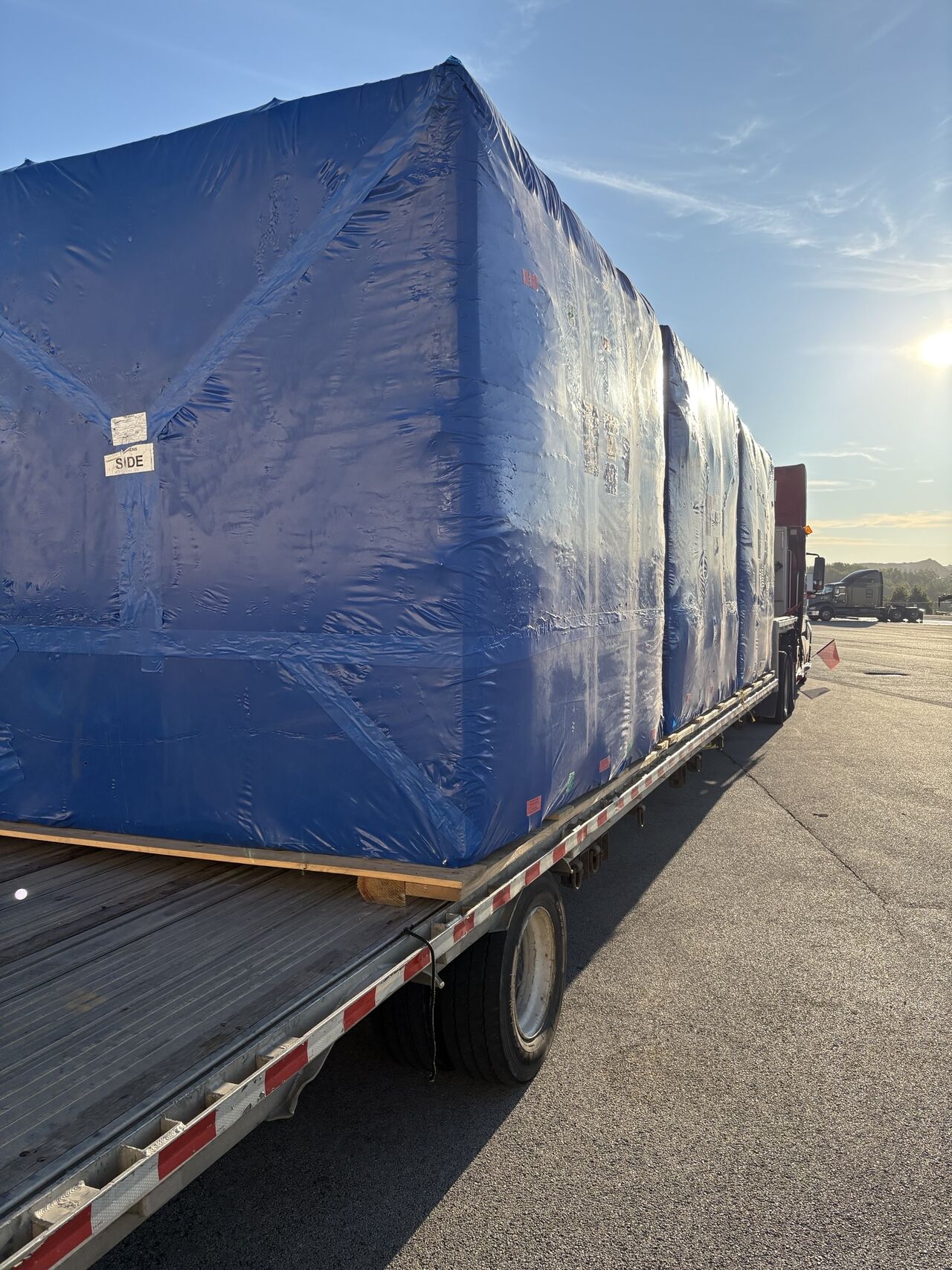
Freight costs are rising. Even though shipping volumes have dropped by about 7.8%, rates are still 8.2% higher in mid-2025 compared to last year, according to FreightWaves. Supply chain bottlenecks remain, and moving non-standard cargo is now more common.
For shippers moving heavy, durable, or non-standard freight, controlling these costs requires smarter logistics strategies.
What Are the Benefits of Transloading for Durable Freight?
Transloading helps companies stay competitive by simplifying and streamlining the movement of heavy or durable freight. TRT Intermodal’s service handles many types of products and helps businesses adjust to new transportation needs, even for the biggest loads.
Costs are reduced by avoiding direct investment in terminal assets, extending market reach, and building flexibility into supply chain operations without sacrificing control or performance.
What Is Transloading & Why Does It Matter for Durable Freight?
In logistics, transloading means moving cargo from one type of transport or container to another. This helps improve routes, lower costs, and make shipping more flexible.
Transloading gives businesses a more efficient, cost-effective way to move durable goods at every stage. At TRT, truck, rail, and storage are all in one place, using our own equipment and custom handling. This means fewer handoffs and smoother shipping.
This approach is critical for heavy, durable freight. From coils to pipes to oversized and non-standard materials, the bigger and more challenging to move, the higher the risk and cost of delays or damage.
Transloading helps address these challenges by reducing dwell time, improving handling precision, and accommodating unique storage needs. TRT services a wide range of industries, providing efficient, effective logistics for durable goods across many sectors.
How Transloading Works: Real-World Scenarios That Reduce Supply Chain Costs
When you talk to the TRT team, we’ll walk you through how these solutions can support your business. Here are some common examples:
Scenario A: Rail to Truck for Final Delivery
Your durable products come in by rail in a long-haul container. TRT transfers them to a truck for final delivery, which cuts down on drayage miles and wait times, while keeping full control over handling.
Scenario B: Truck to Rail for Long-Haul Freight
If you have non-standard freight like ingots or heavy coils, they arrive by truck, are moved to rail containers for long-distance shipping, and then go back to truck for final delivery. This approach reduces unnecessary handling, lowers the risk of damage, and helps control overall shipping costs.
Scenario C: Cross-Docking High-Demand Freight
When you have a lot of freight, it can be quickly moved through cross-docking and consolidation. This speeds up the process, cuts down on storage time, and lowers your overall supply chain costs.
Key Benefits of Transloading for Cost, Efficiency, and Freight Protection
As a business, you need to move products and materials in the safest, most efficient, and most cost-effective way possible. With TRT, the benefits of transloading extend across multiple areas of your supply chain.
Cost Savings & Efficiency
Transloading cuts down on extra drayage and long-haul truck trips, which saves money and speeds up deliveries. With fewer times your freight is handled, there’s less risk of damage and fewer claims. A PwC survey found that about 54% of logistics companies now use strategies like transloading to save money.
Increased Flexibility and Network Optimization
Transloading lets you switch between transport types during shipping, which helps improve routes and cut down on delays. This is especially helpful for durable freight that needs special handling, like moving from rail to truck at one facility.
Reduced Dwell Time & Storage Costs
TRT offers both indoor and outdoor storage, so freight can be moved quickly and storage fees stay low. Faster processing means less waiting, helping your business ship more efficiently and save on costs.
Enhanced Handling and Protection for Complex, Heavy Freight
Big, heavy, or bulky freight needs special equipment and skilled teams. Transloading uses tools like cranes and forklifts that can lift up to 28 tons, along with a streamlined process that lowers the risk of damage.
Sustainability and Environmental Benefits of Transloading
These benefits mean fewer trucks on the road and more efficient use of rail. This leads to less fuel consumption and lower greenhouse gas emissions. Norfolk Southern says rail can cut emissions by up to 90% compared to trucks in some cases.
Why TRT’s Transloading Service Stands Out
It’s simple. TRT’s transloading service is designed to move durable goods with precision and consistency. By bringing truck, rail, and storage together, we help lower wait times and costs, protect your freight, and make your supply chain run more smoothly. With custom handling and experienced teams, TRT manages non-standard loads, heavy materials, and complex freight with precision. Beyond these core benefits, we also offer:
- Short- and long-term storage
- Indoor and outdoor flexibility
- Custom handling
- Low dwell times
- Reliable, proven carriers
- Top-tier industry experience and expertise
- Exceptional operational capability
Common Transloading Misconceptions and Key Considerations
Transloading has some limitations. It’s more than just unloading and reloading without planning. It needs careful coordination, the right expertise, and proper facilities. When thinking about transloading, consider:
- Transit-time trade-offs
- Equipment availability
- Site capability
- Preparation for non-standard freight
To handle these challenges, work with a provider that specializes in durable cargo, such as TRT.
How to Get Started with Transloading at TRT Intermodal
Begin by looking at your freight type and volume. Next, partner with TRT to find out where costs and handling issues are in your supply chain. TRT will then manage the whole transloading process, offering advice on equipment, storage, and ways to save money. Contact TRT Intermodal today to see how transloading can help lower costs and improve handling across your supply chain.